
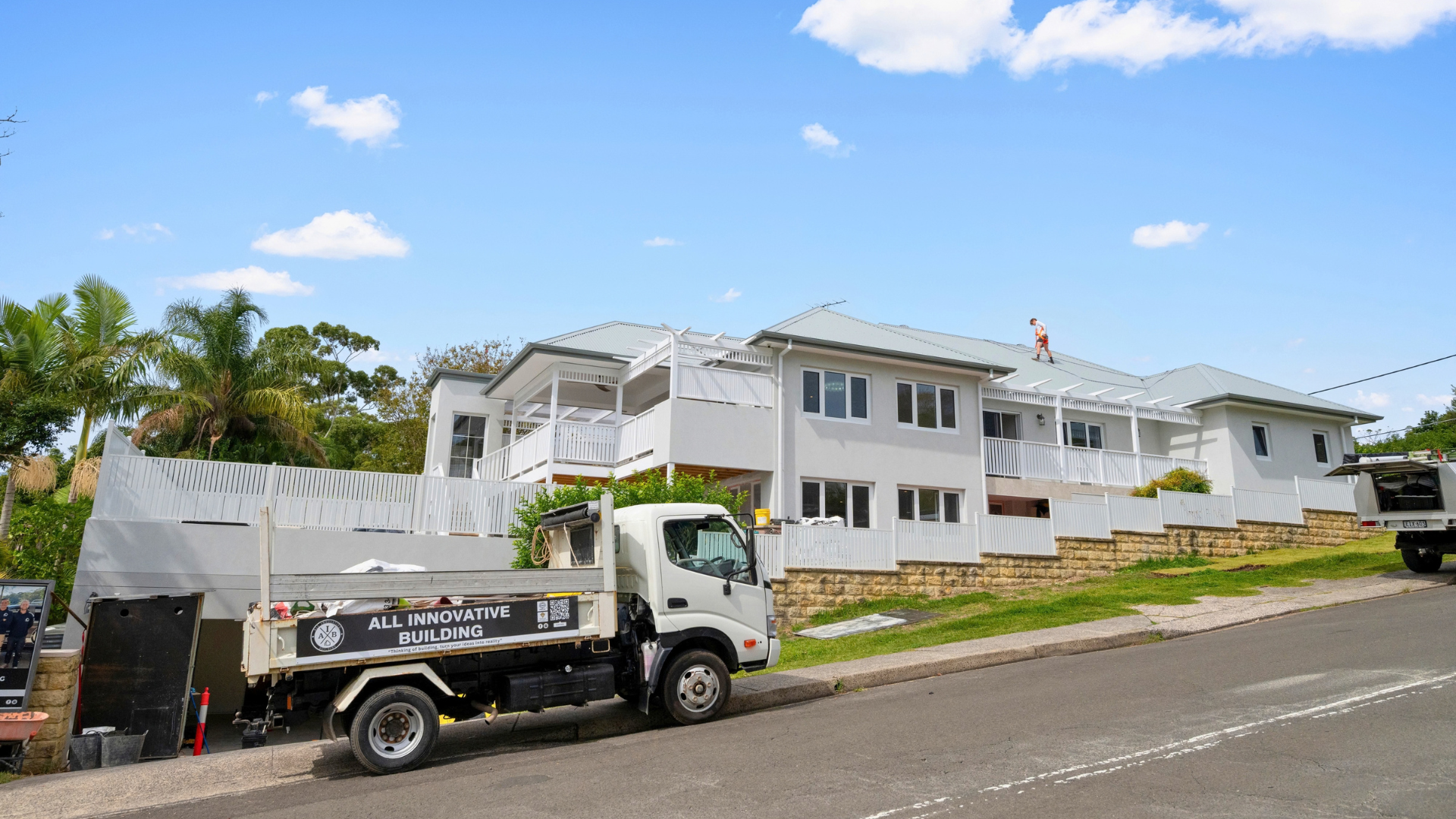
It’s one of the first practical questions almost every homeowner asks once a renovation is locked in: do we stay put, or do we find somewhere else to live for a while? There’s no single right answer — it really comes down to the scope of your project, your household, and how much disruption you can realistically handle. Here’s what to weigh up before you decide.
What kind of project are you taking on?
The size and nature of the renovation is usually the biggest factor. A cosmetic refresh — new paint, flooring, or a bathroom vanity swap — is generally manageable while living at home, with some inconvenience along the way. But a full kitchen renovation, a structural extension, or a first-floor addition is a different story altogether, especially if plumbing, electrical, or load-bearing work is involved.
As a general guide:
- Cosmetic updates (painting, flooring, fixtures) — staying is usually fine
- Single-room renovations (bathroom, one bedroom) — manageable if you can close it off
- Kitchen renovations — tougher, since you’ll lose access to cooking facilities for weeks
- Extensions or additions — often liveable, but noise and access can be significant
- Full home renovations or knockdown rebuilds — moving out is almost always the better call
Reasons to stay
- Cost savings. Avoiding rent or temporary accommodation is the most obvious upside, and for many households, it’s the deciding factor.
- Less disruption to routine. For families with kids in local schools, staying nearby (even if not in the exact same rooms) can make day-to-day life easier to manage.
- Convenience for smaller projects. If only part of the home is affected, staying might barely change your daily routine at all.
Note: Staying can incur some hidden costs that you may not even think about at the quoting stage. Extra hoarding and dust barriers to seal off work zones, additional protection over existing floors, benchtops and stairwells, and the ongoing cost of relocating temporary kitchen, laundry or bathroom access points as work progresses through the home all add up. Trades often need to work more carefully — and sometimes more slowly — around an occupied house, which can stretch out labour time. None of this shows up as one line item on the quote; it tends to surface gradually, as “just one more thing” as the build goes on. By the time you add it all up, the true cost of staying can end up closer to the cost of temporary accommodation than most homeowners expect.
Reasons to move out
- Safety. Construction sites involve dust, exposed wiring, power tools, and sometimes structural work. If young kids, elderly family members, or pets are in the home, safety becomes a much bigger consideration.
- Liveability. No kitchen for six weeks, no functioning bathroom, or constant noise from early morning trades can wear a household down fast — even if the budget allows for staying.
- Faster build times. Builders can often work more efficiently, and sometimes for longer hours, when a home is unoccupied, particularly for larger structural projects.
- Peace of mind. For bigger builds, not having to navigate around tradespeople and equipment daily can make the whole experience feel far less overwhelming.
- Often more cost-effective than it looks. Once you factor in the hidden costs of staying (extra protection, hoarding, and reworked access points, as above), the gap between moving out and staying put is often smaller than homeowners expect — and sometimes moving out works out roughly cost-neutral once the project speeds up as a result.
Questions worth asking before you decide
- Will the kitchen or bathroom be out of action, and for how long?
- Is structural or load-bearing work involved?
- Will there be extended periods without power, water, or hot water?
- Do you have young children, elderly relatives, or pets to consider?
- Can part of the home realistically be sealed off from the work zone?
- What does the projected timeline look like, and how firm is it?
A good builder should be able to walk you through the expected staging of the project, so you can map it against your household’s tolerance for disruption — rather than guessing.
A middle ground: staying partway through
For some projects, particularly extensions or renovations confined to one wing of the home, there’s a middle option: staying for the early and final stages, and moving out temporarily only during the noisiest, messiest, or most disruptive phase (like demolition or a kitchen strip-out). This can keep costs down while still protecting your household from the worst of the disruption.
How All Innovative Building supports homeowners through the process
Whether you decide to stay or move out, clear communication makes all the difference — and an honest conversation about the hidden costs of staying is part of that. All Innovative Building has been delivering renovations, extensions, and custom builds across Sydney’s Northern Beaches since 2014, and every project includes a clear staging plan so homeowners know exactly what to expect and when. As a HIA and Master Builders member managing design, council lodgement, and construction in-house, the team talks homeowners through the real cost comparison upfront — because for most mid-to-large projects, moving out temporarily tends to mean a faster build, less wear on the existing home, and fewer surprises along the way.
If you’re weighing up whether to stay or go during your upcoming renovation, get in touch with All Innovative Building to talk through what your project will realistically involve.