
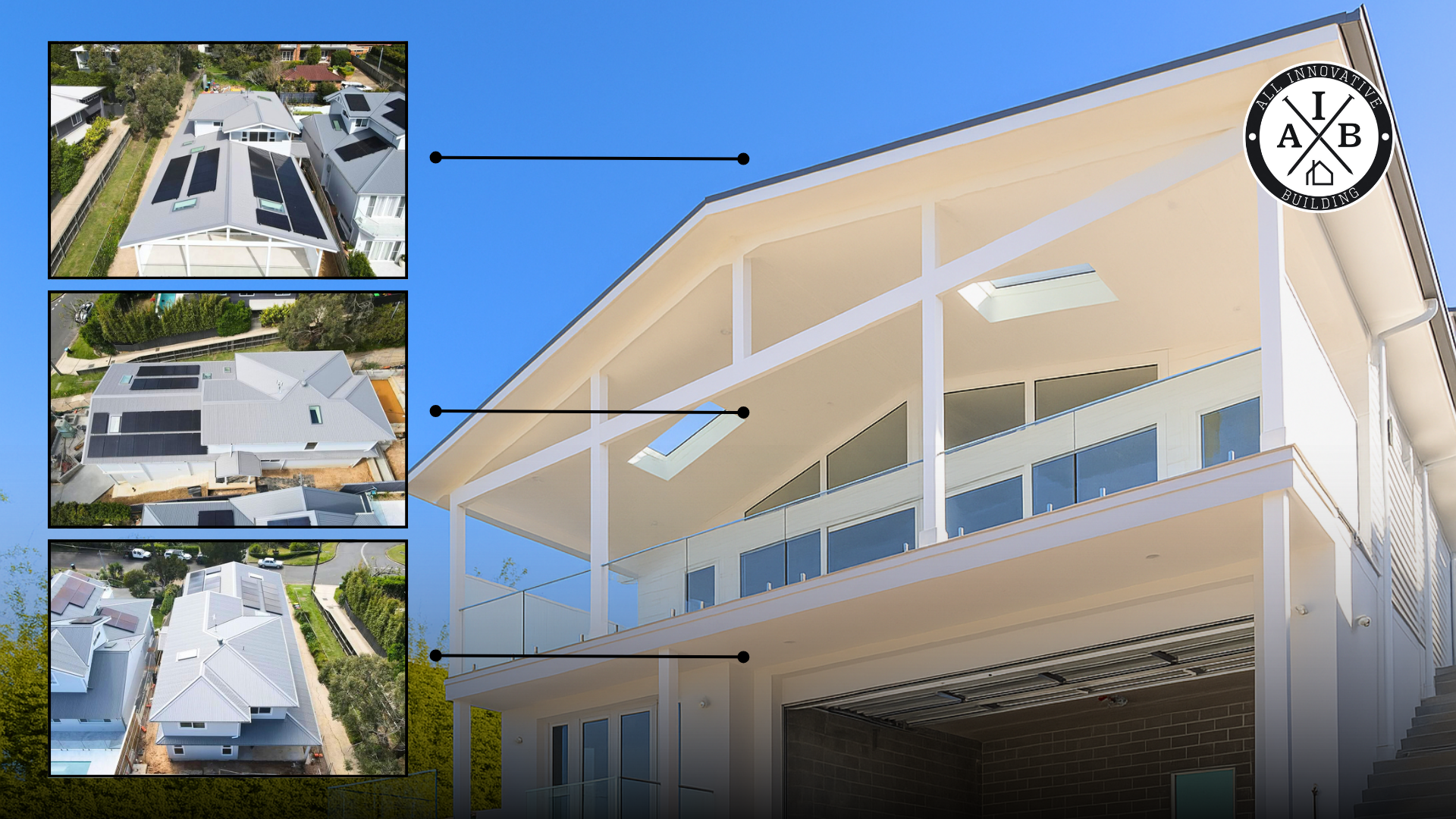
As homeowners in Sydney, we’re lucky to enjoy plenty of sunshine throughout the year. But did you know that the way your home is designed can make the most of that natural light and heat, reducing energy bills and improving comfort? This is where passive solar design comes in.
Passive solar design uses building orientation, materials, and natural elements to regulate your home’s temperature without relying heavily on artificial heating or cooling. Let’s explore how you can incorporate it into your Sydney home.
1. Understand the Principles of Passive Solar Design.
The key idea of passive solar design is harnessing the sun’s energy in winter and minimising heat gain in summer. Sydney’s climate, with hot summers and mild winters, makes it ideal for these strategies. The main principles include:
- Orientation: Position living areas to face north (in the southern hemisphere) to capture winter sunlight.
- Thermal Mass: Use materials like concrete, brick, or stone to absorb heat during the day and release it at night.
- Insulation: Well-insulated walls, floors, and roofs help maintain a comfortable indoor temperature.
- Shading: Roof overhangs, pergolas, and blinds can block the high summer sun while letting in the lower winter sun.
2. Designing for Optimal Orientation
For a Sydney home, north-facing windows in living spaces are essential. This allows:
- Maximum sunlight during winter for warmth.
- Natural light that reduces electricity use.
- A connection to outdoor spaces such as gardens or courtyards.
Meanwhile, minimise east- and west-facing windows where possible, as they are more exposed to harsh summer sun.
3. Use Thermal Mass Strategically
Materials with high thermal mass, such as brick walls or tiled floors, absorb heat during sunny days and release it when the temperature drops. Tips for Sydney homes:
- Incorporate exposed floor tiles or polished concrete in north-facing areas.
- Avoid placing thermal mass in shaded areas where it won’t receive sunlight.
- Pair thermal mass with insulation to prevent heat loss at night.
4. Incorporate Shading and Ventilation
Sydney summers can get very hot, so shading and ventilation are crucial. Some practical solutions:
- Eaves and pergolas: Custom overhangs can block summer sun while allowing winter sunlight.
- Window treatments: Blinds or reflective films help reduce heat gain.
- Cross-ventilation: Strategically place windows and vents to allow breezes to naturally cool your home.
5. Select Energy-Efficient Materials and Windows
- Double-glazed windows improve insulation and reduce heat loss in winter.
- Reflective roof materials reduce heat absorption.
- Energy-efficient insulation in ceilings and walls helps maintain a comfortable temperature year-round.
6. Landscape for Passive Solar Benefits
The right landscaping can enhance passive solar design:
- Deciduous trees provide shade in summer and allow sunlight in winter.
- Garden walls or fences can block harsh winds while creating sheltered outdoor areas.
- Ground cover and paved areas around north-facing windows can reflect sunlight indoors.
7. Work With an Expert Builder
Incorporating passive solar design requires careful planning. At All Innovative Building, we specialise in custom homes, renovations, and extensions that maximise energy efficiency and comfort. Our team can help you:
- Assess your site and orientation.
- Recommend materials, insulation, and window placement.
- Design shading, ventilation, and landscaping for your home’s unique needs.
Passive solar design is a cost-effective and environmentally friendly way to make your Sydney home more comfortable all year round. By combining smart orientation, thermal mass, insulation, shading, and landscaping, you can reduce energy bills while creating a space that feels naturally warm in winter and cool in summer.
Ready to design a home that works with the sun?
Contact All Innovative Building today to start planning your energy-efficient dream home.